Why Conversion-Focused SEO Is the Only Kind That Matters Anymore
For years, SEO was measured in rankings. You pushed a page to position one, pointed at the traffic spike, and called it a win. But traffic alone never paid the bills. A page that ranks first for a high-volume query but generates no leads, no sales, no sign-ups is just a well-optimized brochure. What actually moves the needle is traffic that acts. That shift in thinking is what conversion-focused SEO is all about.
I have seen too many site owners obsess over keyword positions while their bounce rates climb and their form submissions stay flat. The real work begins after the click. It is about making sure every visitor who lands on your site has a clear path to do something valuable. That might be buying a product, booking a consultation, or subscribing to a newsletter. If your SEO strategy does not account for what happens after the search result, you are leaving money on the table.
Ranking Is Not the End Goal
Traditional SEO treats ranking as the finish line. You optimize a page, build links, and wait for Google to reward you with a top spot. But ranking is only the first step. The hard part is converting that visibility into action. Conversion-focused SEO flips the script. It starts with the user's intent and works backward to the keyword, the content, and the technical foundation.
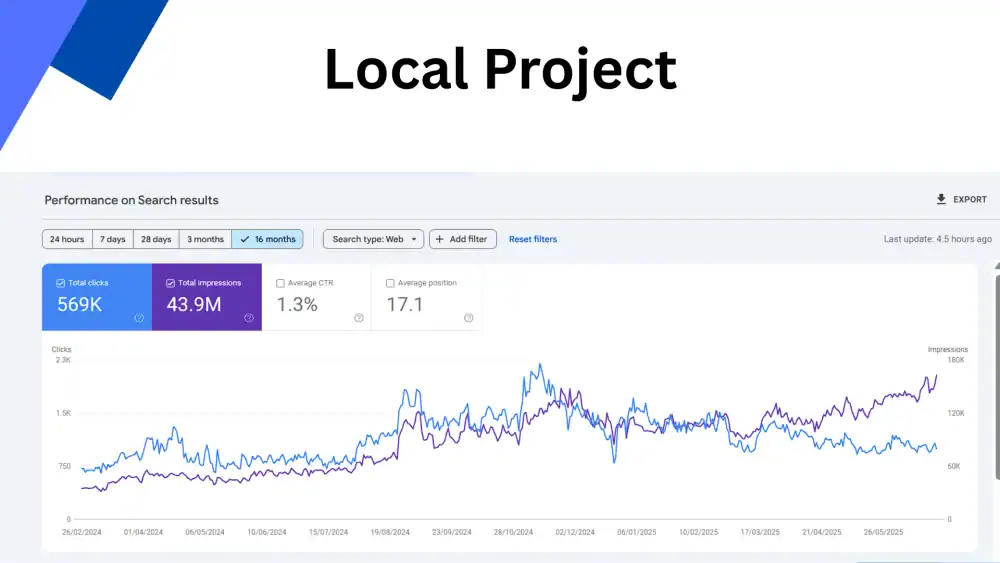
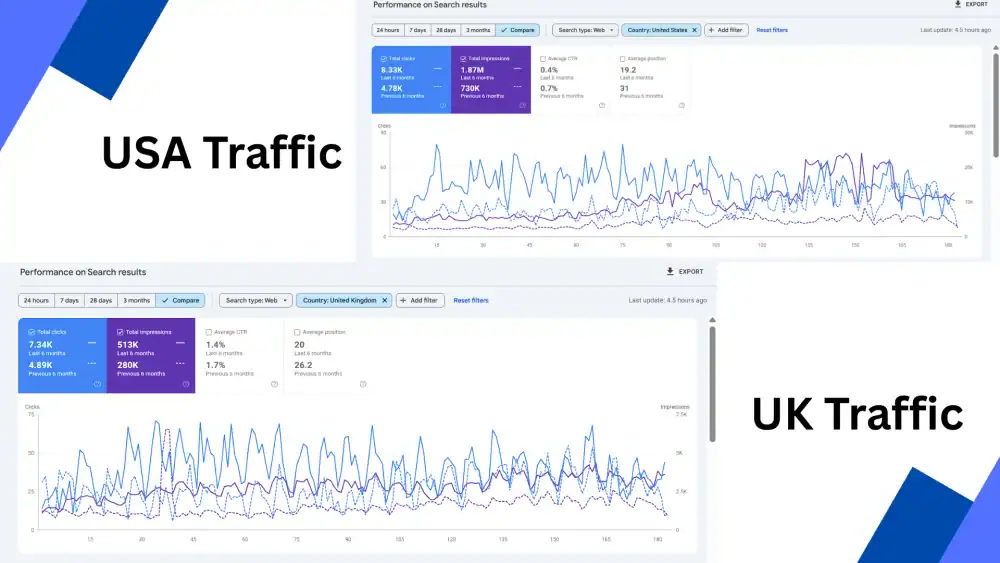
When I audit a site, I look at Google Search Console first. It tells me which queries are bringing people in and how those people are behaving. If a page ranks well but has a low click-through rate, the title tag or meta description might be misleading. If the click-through rate is high but the bounce rate is brutal, the content is not matching the searcher's real need. Both problems kill conversions before they even start.
Tools like Ahrefs and Semrush help me dig deeper. I look at the keywords that drive conversions, not just traffic. A keyword that brings a hundred visitors who bounce is less valuable than one that brings ten visitors who fill out a contact form. Moz offers similar insights, especially when you layer in domain authority and page-level metrics. But none of these tools matter if you do not tie them back to business outcomes.
Technical SEO as a Conversion Layer
Technical SEO is often seen as the boring part of the job. Crawl errors, redirect chains, slow load times. But those boring details have a direct impact on whether a visitor stays or leaves. A page that takes four seconds to load loses more than half of its mobile traffic. That is not just a ranking problem. That is a conversion problem.
I use PageSpeed Insights and Core Web Vitals to identify friction points. The biggest offenders are usually unoptimized images, bloated JavaScript, and server response times. Fixing those does not just improve your Lighthouse score. It improves the experience for real people. If a potential customer has to wait for your product page to load, they will go to a competitor who loads faster. Conversion-focused SEO treats speed as a conversion factor, not just a ranking signal.
Structured data and schema markup also play a role. When you add product schema, review schema, or FAQ schema, you help Google understand your content better. That can lead to rich results like stars, prices, and question-and-answer panels. Those visual enhancements increase click-through rates. But they also set expectations. A user who sees a price in the search result knows what they are getting into. That alignment between the search snippet and the page content improves conversion rates because the visitor is already pre-qualified.
Local SEO and the Micro-Moment
For businesses that serve a specific area, local SEO is where conversions happen. When someone searches for "plumber near me" or "dentist in Mumbai" they have a clear intent. They need help now. If your Google Business Profile is incomplete, your local pack ranking is weak, or your reviews are outdated, you lose that lead.
A well-optimized Google Business Profile with accurate hours, photos, and recent reviews can be the difference between a phone call and a competitor's win. Local packs are one of the most conversion-dense areas of search results. The user is ready to act. Your job is to make it easy for them. That means having a consistent name, address, and phone number across the web, using local schema markup, and encouraging genuine reviews. None of this is complicated, but it requires ongoing attention.
Content That Answers and Converts
Content remains the backbone of SEO, but the kind of content that converts is different from the kind that ranks. A conversion-focused piece addresses a specific question or pain point and then offers a logical next step. It does not just inform. It guides.
For e-commerce SEO, that means product descriptions that answer the questions a buyer has at the moment of purchase: sizing, materials, shipping, return policy. For service businesses, it means case studies and testimonials that build trust. The best content I have seen uses data from tools like Ahrefs and Semrush to find gaps in what competitors are covering. Then it fills those gaps with honest, useful information that positions the business as the obvious choice.
I have also seen a shift in how Google itself evaluates content. With updates like BERT and RankBrain, the search engine is better at understanding natural language and user intent. It is not just matching keywords anymore. It is trying to figure out if a page actually satisfies the searcher's need. That makes content quality even more important. Thin pages that barely answer a query will not hold rankings. Pages that go deep, use structured data, and include clear calls to action will hold both rankings and conversions.

The Role of AI in Modern SEO
AI-driven optimization is changing how we approach both ranking and conversion. Tools that use machine learning can analyze user behavior at scale and recommend changes that improve engagement. For example, an AI tool might notice that visitors who read a certain blog post are more likely to sign up for a webinar. That insight lets you surface the blog post more prominently and add a related call to action.
LLMs and generative search are also reshaping how people find information. Users are getting direct answers in AI-generated summaries without clicking through to a site. That sounds scary, but it also creates an opportunity. If your content is structured well enough to be used as a source in generative search, you can still capture brand visibility. The key is to make your content authoritative and well-marked with schema markup so that the AI trusts it.
At the same time, I am careful not to rely on AI for everything. Human judgment still matters. I have seen sites where AI-generated content reads well but misses the subtle trust signals that a real expert would include. Conversion-focused SEO requires a balance. Use AI to find patterns and scale efforts, but keep a human in the loop to refine the messaging and ensure it aligns with real customer needs.
Common Technical Traps That Hurt Conversions
Even the best content and strategy can be undermined by simple technical issues. Here are a few I see regularly:
- Canonical tags pointing to the wrong URL, causing search engines to index a version of the page that has no call to action.
- Orphan pages that no internal link reaches, meaning users and search engines cannot find them at all.
- Broken forms or checkout processes that fail silently, making the user think their submission went through when it did not.
- Missing or incorrect schema markup that prevents rich results from appearing.
- Slow mobile load times that drive away users who are ready to buy.
Each of these issues is fixable. The hard part is catching them. Regular audits using tools like Google Search Console, PageSpeed Insights, and crawling software can surface problems before they cost you customers. I recommend a monthly technical review for any site that depends on organic traffic for leads or sales.
Measuring What Matters
If you are not measuring conversions, you are guessing. Conversion-focused SEO demands a different set of metrics. Instead of just tracking keyword rankings and organic sessions, look at conversion rate by source, goal completions, and user flow data. Google Search Console can show you which queries lead to conversions if you connect it with your analytics platform.
I also keep an eye on engagement metrics like time on page and pages per session. They are not conversion events themselves, but they correlate with intent. A user who reads three pages and fills out a form is more valuable than one who reads one page and bounces. Tools like Semrush and Ahrefs offer integration with Google Analytics so you can see how organic visitors behave after they land.
Featured snippets are another area to watch. They can steal clicks from your site, but they can also build authority. If your page holds a featured snippet for a question that leads to a purchase decision, that visibility can still drive conversions even if the click-through rate is lower. The key is to track whether snippet ownership correlates with actual business outcomes.
Bringing It All Together
Conversion-focused SEO is not a separate discipline. It is a mindset that applies to every part of your SEO work. From the keywords you target to the technical setup to the content you write, every decision should be made with the end goal in mind. What do you want the user to do after they read this page? How do you remove every obstacle between them and that action?
I have worked with sites that doubled their revenue just by cleaning up their technical issues and rewriting their calls to action. No new links, no viral content. Just better alignment between search intent and page purpose. That is the power of treating SEO as a conversion channel, not a traffic channel.
If you are still measuring your SEO success by rankings alone, try switching your focus for the next three months. Track conversions from organic search. Identify the pages that get traffic but no action. Then fix those pages one by one. You might be surprised at how much growth is hiding in the traffic you already have.